
Protect your valuable vehicle with enclosed car transport. This option provides additional protection for classic, luxury, exotic, collectible, and specialty vehicles during transportation.
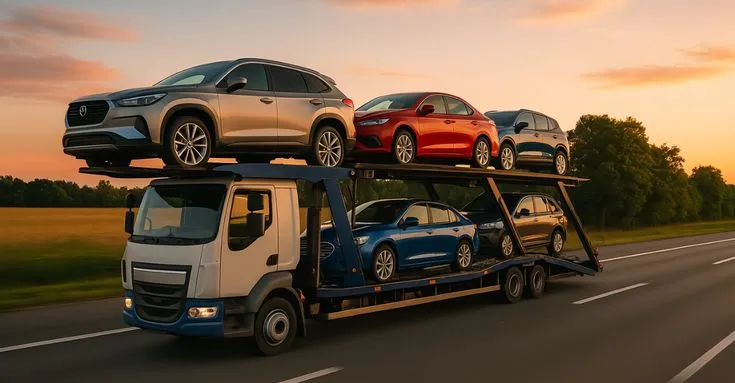
Not every vehicle is an ordinary daily driver. If you own a classic car, luxury automobile, exotic vehicle, collectible, restored vehicle, or another specialty automobile, you may want additional protection during transportation.
BlueAnchor Vehicle Transport offers enclosed car transport for customers who prefer to transport their vehicles inside an enclosed carrier.
Enclosed car transport uses a trailer with enclosed sides and a roof.
Unlike an open carrier, the vehicle is transported inside the trailer, creating an additional barrier between the vehicle and outdoor road conditions.
This makes enclosed transportation an attractive option for vehicle owners who place a high priority on protecting the appearance and condition of their automobiles.
Enclosed transport can be particularly useful for:
For these types of vehicles, owners may prefer the additional protection provided by an enclosed trailer.
During a long-distance journey, vehicles can encounter rain, dust, dirt, road debris, and other outdoor conditions.
An enclosed carrier provides additional protection from these environmental factors.
While no transportation method eliminates every possible risk, enclosed transportation provides a more protected environment than open transportation.
The answer depends on your vehicle and your priorities.
Enclosed transport generally costs more than open transport because enclosed carriers provide additional protection and typically transport fewer vehicles.
For a standard commuter car, open transportation may make more sense financially.
For a valuable classic or luxury vehicle, many owners may prefer to invest in additional protection.
Before pickup, remove personal belongings and document the vehicle’s condition.
Take photographs from several angles and make sure the transport provider knows about any mechanical problems, modifications, or special requirements.
BlueAnchor Vehicle Transport aims to make the vehicle transportation process straightforward from initial planning through delivery.
If you’re unsure whether open or enclosed transportation is right for your vehicle, consider its value, condition, age, and your desired level of protection.
Contact BlueAnchor Vehicle Transport at (737) 387-1605 to discuss enclosed car transport.
Find answers to some of the most common questions customers ask about auto transport.
The cost depends on factors such as the pickup and delivery locations, distance, vehicle type, transportation method, route, timing, and carrier availability. Contact BlueAnchor Vehicle Transport for a quote based on your specific shipment.
Open car transport is one of the most commonly used methods for transporting vehicles. Vehicles are loaded onto a carrier and secured for transportation. It is a practical option for many everyday cars, SUVs, and trucks.
Open transport uses an open carrier and is commonly selected for standard vehicles. Enclosed transport uses a trailer with enclosed sides and a roof, providing additional protection and making it a popular choice for classic, luxury, exotic, collectible, and specialty vehicles.
Door-to-door auto transport allows pickup and delivery as close as reasonably possible to the requested addresses. However, large carriers may not be able to safely access certain streets, driveways, private roads, or restricted locations. A nearby accessible location may be used when necessary.
Transportation time varies depending on the distance, route, pickup and delivery locations, traffic, weather, carrier schedules, and other conditions. Delivery timeframes are generally estimates unless a specific delivery arrangement has been agreed to in writing.